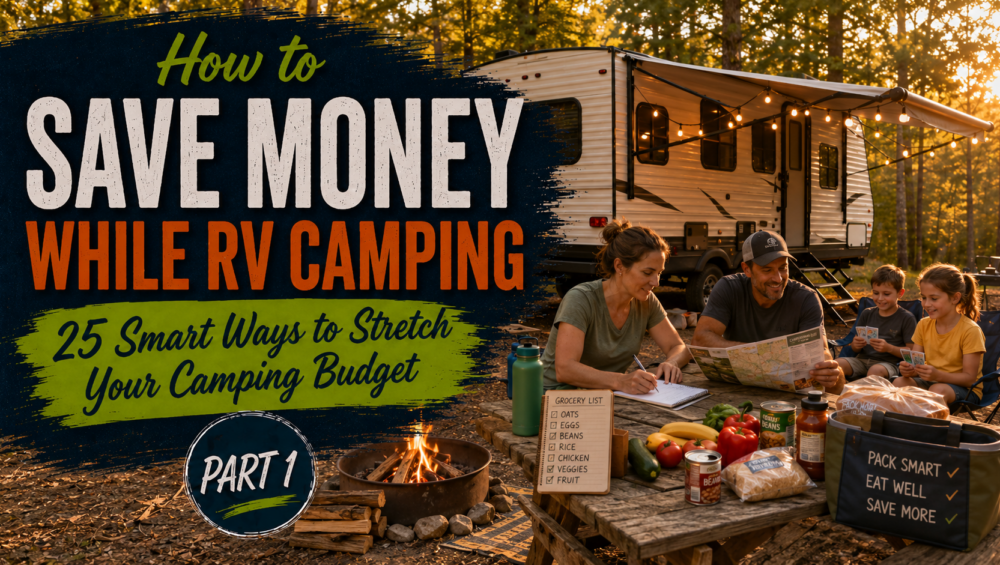
How to Save Money While RV Camping: 25 Smart Ways to Stretch Your Camping Budget (Part 1)

One of the biggest reasons millions of Americans love RV camping is that it can be an affordable way to travel. Compared to many traditional vacations that include hotels, airline tickets, and restaurant meals every day, RV camping often gives families much more flexibility over how they spend their travel dollars.

The good news is that you don’t have to sacrifice comfort to enjoy an affordable RV adventure. With a little planning and a few smart habits, you can reduce your camping expenses while still making incredible memories with your family.

Whether you’re planning a weekend getaway, a week-long vacation, or a long-term stay, these practical tips can help you get more value from every trip.

At Quest RV Park, located just one mile from beautiful Nolin Lake and only minutes from Mammoth Cave National Park, guests enjoy spacious full-hookup RV sites with daily, weekly, monthly, and annual options—making it easy to choose a stay that fits both your travel plans and your budget.

👉 Book Your Affordable RV Stay at Quest RV Park Today!


1. Plan Your Trip Before You Leave

One of the easiest ways to save money is simply planning ahead.

Before your trip:

  • Map your route.
  • Estimate fuel stops.
  • Reserve your campsite early.
  • Make a grocery list.
  • Check local attractions.
  • Review campground amenities.

A little preparation often prevents costly last-minute purchases and unnecessary driving.


2. Cook More Meals at Your Campsite

Restaurant meals can quickly become one of the largest expenses during any vacation.

Preparing meals at your RV allows you to:

  • Spend more time together.
  • Eat healthier.
  • Control portion sizes.
  • Reduce food costs.

Simple camping favorites like hamburgers, foil packet dinners, tacos, grilled chicken, pancakes, and campfire breakfasts are often less expensive than dining out for every meal.


3. Stay Longer

Many RV parks, including Quest RV Park, offer different pricing for daily, weekly, monthly, and annual stays.

If your schedule allows, staying longer may lower your average nightly camping cost while giving you more time to relax and explore the area.

It also reduces the number of travel days, helping lower fuel expenses.


4. Travel at a Comfortable Pace

Driving hundreds of miles every day increases fuel costs and can make vacations feel rushed.

Instead of constantly moving from campground to campground, consider choosing one destination and exploring everything nearby.

When you stay at Quest RV Park, you’re close to:

  • Nolin Lake
  • Mammoth Cave National Park
  • Scenic drives
  • Hiking trails
  • Boating
  • Fishing
  • Local restaurants
  • Small-town shopping
  • Family attractions

One campground can provide several days of adventure without additional travel expenses.


5. Check Tire Pressure Regularly

Properly inflated tires can help your tow vehicle and RV operate more efficiently.

Before every trip:

  • Check tire pressure.
  • Inspect tire condition.
  • Look for unusual wear.

Following your vehicle and tire manufacturer’s recommendations can help improve safety and may contribute to better fuel efficiency.


6. Pack Smart

Buying forgotten supplies after arriving at your destination often costs more than bringing them from home.

Create a checklist that includes:

  • Food
  • Cooking supplies
  • Coffee
  • Pet supplies
  • Flashlights
  • Chargers
  • Camp chairs
  • Fishing gear
  • Games
  • First-aid kit

Packing carefully helps avoid unnecessary shopping during your vacation.


7. Enjoy Free Outdoor Activities

Some of the best camping memories don’t cost anything.

Near Quest RV Park, families can enjoy:

  • Watching sunsets over Nolin Lake
  • Hiking scenic trails
  • Wildlife viewing
  • Fishing
  • Birdwatching
  • Photography
  • Campfires
  • Stargazing
  • Family games at the campsite

Nature provides some of the best entertainment available.


8. Limit Impulse Purchases

Souvenir shops are fun to visit, but small purchases can quickly add up.

Consider setting a budget before your trip for:

  • Gifts
  • Clothing
  • Snacks
  • Collectibles

Sticking to a planned spending limit helps avoid surprises when you return home.


9. Travel During Less Busy Times

If your schedule is flexible, consider camping outside major holiday weekends.

You’ll often enjoy:

  • Less traffic
  • A quieter campground atmosphere
  • Easier access to attractions
  • More relaxing outdoor experiences

Shoulder-season camping can also provide pleasant weather for fishing, hiking, and exploring Central Kentucky.


10. Take Advantage of Campground Amenities

Choosing a campground with amenities included in your stay provides additional value.

At Quest RV Park, guests enjoy amenities such as:

  • Spacious full-hookup RV sites
  • Fast Starlink Business Wi-Fi
  • Nine-hole mini golf
  • Commercial axe throwing
  • Giant outdoor games
  • Family-friendly atmosphere
  • Easy access to boating, fishing, hiking, and nearby attractions

Having activities available right at the campground means you can spend more time having fun without constantly driving to find entertainment.

👉 Looking for an Affordable RV Vacation Near Nolin Lake? Book Your Stay at Quest RV Park Today!

Continue to Part 2, where we’ll cover 15 more money-saving tips, including fuel savings, campground strategies, RV maintenance, budgeting ideas, and why Quest RV Park is an outstanding value for daily, weekly, monthly, and annual RV camping.

How to Level Your RV: A Complete Beginner’s Guide (Part 2)

Avoid These Common RV Leveling Mistakes

Even experienced RV owners occasionally make mistakes while setting up their campsite. Fortunately, most of them are easy to avoid with a little patience and planning.

Some of the most common mistakes include:

  • Parking without checking how level the campsite is.
  • Rushing through the setup process.
  • Forgetting to verify that the RV is level before connecting utilities.
  • Failing to secure the RV before continuing setup.
  • Not checking the level again after making adjustments.

One of the best habits you can develop is slowing down. Spending a few extra minutes during setup can make your entire camping trip more comfortable.


Leveling and Stabilizing Are Not the Same Thing

One area that confuses many first-time RV owners is the difference between leveling and stabilizing.

Leveling means positioning your RV so it sits as level as possible according to your manufacturer’s recommendations.

Stabilizing helps reduce movement after the RV has already been leveled.

These are two different steps, and they serve different purposes.

Many new RV owners mistakenly believe stabilizing equipment is designed to level the RV. In reality, leveling should be completed first, followed by stabilization according to your RV manufacturer’s instructions.

Understanding the difference helps protect your RV and improves overall comfort.


Automatic Leveling Systems

Many newer fifth wheels and motorhomes are equipped with automatic leveling systems.

These systems can make setup much quicker by helping level the RV with the push of a button.

Even if your RV has an automatic system, it’s still a good idea to:

  • Choose the flattest campsite available.
  • Visually inspect the area before parking.
  • Follow the operating procedures in your owner’s manual.
  • Verify that the RV is level after the system finishes.

Automatic systems are convenient, but good campsite selection is still important.


Does a Level RV Really Make That Much Difference?

Absolutely.

Many campers are surprised by how much more comfortable a properly leveled RV feels.

When your RV is level, you’ll often notice:

  • A more comfortable night’s sleep.
  • Easier movement inside the RV.
  • Better operation of doors, cabinets, and drawers.
  • Improved drainage from sinks and showers.
  • A more stable and enjoyable living space.

Whether you’re staying for one night or several months, proper leveling can make a noticeable difference.


Practice Makes Setup Easier

Just like backing into a campsite, leveling becomes easier with experience.

After several trips, you’ll begin recognizing:

  • Which campsites require fewer adjustments.
  • How your particular RV responds.
  • The equipment that works best for your setup.
  • The order that makes your setup routine the most efficient.

Many experienced RV owners can complete their entire setup in just a few minutes because they’ve developed a consistent routine.


Campground Courtesy During Setup

Good campground etiquette starts the moment you arrive.

When leveling your RV:

  • Move slowly through the campground.
  • Be aware of neighboring campsites.
  • Avoid blocking roadways longer than necessary.
  • Keep noise to a minimum during early mornings and evenings.
  • If you’re traveling with a helper, communicate calmly and clearly.

Most campers understand that setup takes time, and a courteous approach helps everyone enjoy their stay.


Check Your Campsite One More Time

Before relaxing, take one final walk around your RV.

Look for:

  • Properly connected utilities.
  • Organized hoses and electrical cords.
  • Secure wheel chocks where appropriate.
  • Clear walking areas around the campsite.
  • Outdoor furniture positioned safely.
  • A clean, organized campsite.

These simple checks help create a safer and more enjoyable camping experience.


Why Spacious Campsites Make Leveling Easier

One advantage of staying at a campground with large RV sites is having extra room to maneuver and position your RV before you begin leveling.

At Quest RV Park, our wide roads and spacious, big-rig-friendly campsites provide plenty of room for travel trailers, fifth wheels, motorhomes, toy haulers, and other RVs.

Having additional space often makes it easier to:

  • Position your RV.
  • Back into your campsite.
  • Connect utilities.
  • Set up outdoor furniture.
  • Enjoy your campsite without feeling crowded.

This is especially appreciated by first-time RV owners.


Experience Comfortable RV Camping at Quest RV Park

Located only about one mile from Nolin Lake and a short drive from Mammoth Cave National Park, Quest RV Park is the perfect place to enjoy a relaxing camping vacation in Central Kentucky.

Whether you’re visiting to fish, boat, hike, explore local attractions, or simply unwind outdoors, our campground provides the amenities that make every stay comfortable.

Guests enjoy:

  • Spacious full-hookup RV sites
  • 30- and 50-amp electric service
  • Full water and sewer hookups
  • Daily, weekly, monthly, and annual RV site options
  • Big-rig-friendly campsites
  • Wide roads for easier parking and setup
  • Fast Starlink Business Wi-Fi
  • Nine-hole mini golf
  • Commercial axe throwing
  • Giant outdoor games
  • Quiet, family-friendly atmosphere
  • Convenient access to boating, kayaking, fishing, hiking, and many nearby attractions

Whether you’re spending a weekend or an entire season with us, you’ll appreciate the extra room and convenience that make RV camping easier.

👉 BOOK YOUR FULL-HOOKUP RV SITE AT QUEST RV PARK TODAY!


Final Thoughts

Learning how to level your RV is one of the most valuable skills every RV owner can develop. While it may seem challenging at first, the process quickly becomes part of your regular camping routine.

Remember these key points:

  • Choose the flattest campsite possible.
  • Take your time during setup.
  • Level your RV before completing the rest of your campsite setup.
  • Understand that leveling and stabilizing serve different purposes.
  • Follow the procedures recommended by your RV manufacturer.
  • Develop a consistent setup routine with each trip.

With a little practice, leveling your RV becomes quick, simple, and routine, allowing you to spend more time enjoying your camping adventure and less time worrying about setup.

When you’re ready to experience one of Central Kentucky’s premier camping destinations, make Quest RV Park your home away from home. Located near beautiful Nolin Lake and Mammoth Cave National Park, our spacious full-hookup sites provide the perfect place to relax, explore, and make unforgettable memories.

Reserve your campsite today and discover why RV travelers choose Quest RV Park for comfortable, full-hookup camping near Nolin Lake and Mammoth Cave!

Daily • Weekly • Monthly • Annual RV Sites Available

Quest RV Park – Spacious Sites, Full Hookups, Family-Friendly Camping, and Your Gateway to Nolin Lake & Mammoth Cave.

How to Save Money While RV Camping: 25 Smart Ways to Stretch Your Camping Budget (Part 2)

11. Keep Up with Routine RV Maintenance

One of the biggest money-saving tips isn’t about finding discounts—it’s about avoiding expensive repairs.

Regular maintenance helps keep your RV in good condition and may reduce the chance of unexpected problems during your trip.

Helpful maintenance habits include:

  • Checking tire pressure before traveling.
  • Inspecting lights.
  • Examining hoses and utility connections.
  • Looking for water leaks.
  • Cleaning your RV regularly.
  • Following the maintenance schedules recommended by your RV and appliance manufacturers.

A little preventive care can save both time and money over the life of your RV.


12. Travel with Friends or Family

Camping with friends can be both fun and economical.

Sharing meals, splitting grocery costs, and enjoying activities together can help stretch everyone’s vacation budget while creating lasting memories.

Many families also enjoy meeting at the same campground for reunions or holiday weekends.


13. Bring Refillable Water Bottles

Instead of buying bottled water throughout your trip, bring reusable water bottles and refill them as appropriate.

It’s a simple habit that can reduce waste and help keep vacation expenses under control.


14. Shop at Local Grocery Stores

Buying groceries after arriving near your destination is often less expensive than eating every meal at restaurants.

Fresh fruit, sandwich supplies, breakfast foods, snacks, and ingredients for grilling can provide several enjoyable meals at a fraction of the cost of dining out every day.


15. Pack Entertainment from Home

You don’t have to spend a fortune to have fun.

Bring along:

  • Board games
  • Playing cards
  • Cornhole boards
  • Fishing poles
  • Bicycles
  • Books
  • Puzzles
  • Outdoor games

Simple activities often become the highlight of the entire trip.


16. Explore Nearby Attractions

Choosing a campground close to several attractions helps reduce driving time and fuel costs.

When you stay at Quest RV Park, you’re conveniently located near:

  • Beautiful Nolin Lake
  • Mammoth Cave National Park
  • Scenic hiking trails
  • Fishing and boating opportunities
  • Local restaurants
  • Small-town shopping
  • Museums
  • Family-friendly attractions

Instead of spending hours driving each day, you can enjoy multiple adventures within a short distance of your campsite.


17. Keep Your RV Organized

A well-organized RV helps prevent buying items you already own but can’t find.

Label storage bins and keep commonly used supplies in consistent locations.

Being organized saves time, reduces frustration, and can help eliminate unnecessary purchases during your trip.


18. Plan Fuel Stops

Fuel is one of the largest expenses for many RV travelers.

Planning your route in advance helps avoid unnecessary detours and extra miles.

Driving at a steady, reasonable speed and avoiding unnecessary idling may also help improve fuel efficiency, depending on your vehicle and driving conditions.


19. Choose a Campground That Offers Value

The least expensive campground isn’t always the best value.

A campground with spacious sites, full hookups, reliable internet, and included amenities can often provide a better overall experience than a lower-priced campground that requires additional travel or offers fewer conveniences.

Value is about more than the nightly rate—it’s about what you receive during your stay.


20. Stay Monthly or Annually

If you enjoy spending extended time in one location, monthly or annual RV sites can offer excellent value compared to moving frequently from campground to campground.

Many retirees, remote workers, and seasonal travelers appreciate:

  • Fewer travel days
  • Lower fuel costs
  • More time to enjoy the area
  • A consistent home base

Quest RV Park offers daily, weekly, monthly, and annual RV site options, allowing guests to choose the stay that best fits their travel plans.


21. Make a Daily Vacation Budget

A simple daily spending plan can help keep your vacation on track.

Consider setting an amount for:

  • Food
  • Fuel
  • Activities
  • Souvenirs
  • Unexpected expenses

Tracking your spending throughout the trip can help prevent surprises when you return home.


22. Enjoy More Campfire Evenings

Some of the best vacation memories don’t require expensive entertainment.

Relax around the campfire, roast marshmallows, play games with your family, tell stories, or simply enjoy the peaceful surroundings.

These moments often become the memories you’ll cherish the most.


23. Take Advantage of Nature

Central Kentucky offers countless outdoor activities that are either free or relatively inexpensive.

Enjoy:

  • Hiking
  • Fishing
  • Birdwatching
  • Wildlife viewing
  • Photography
  • Scenic drives
  • Sunrises over Nolin Lake
  • Evening walks around the campground

Nature provides incredible experiences without requiring a large vacation budget.


24. Return to Places You Love

When you find a campground you truly enjoy, returning can actually save both time and money.

You’ll already know:

  • The campground layout.
  • Nearby attractions.
  • Local restaurants.
  • Boat ramps.
  • Grocery stores.
  • The quickest travel routes.

Familiar destinations reduce planning stress and allow you to spend more time relaxing.


25. Choose Quest RV Park for Affordable Camping

One of the smartest ways to maximize your vacation budget is selecting a campground that offers comfort, convenience, and excellent value.

Located only about one mile from Nolin Lake and just a short drive from Mammoth Cave National Park, Quest RV Park gives guests easy access to many of Central Kentucky’s most popular attractions without spending hours on the road.

Guests enjoy:

  • Spacious full-hookup RV sites
  • 30- and 50-amp electric service
  • Full water and sewer hookups
  • Daily, weekly, monthly, and annual RV site options
  • Fast Starlink Business Wi-Fi
  • Nine-hole mini golf
  • Commercial axe throwing
  • Giant outdoor games
  • Quiet, family-friendly atmosphere
  • Convenient access to boating, fishing, hiking, kayaking, and local attractions

Whether you’re planning an affordable weekend getaway or a long-term stay, Quest RV Park offers outstanding value for families, retirees, and RV travelers alike.

👉 BOOK YOUR AFFORDABLE RV STAY AT QUEST RV PARK TODAY!


Final Thoughts

Saving money while RV camping doesn’t mean giving up comfort or fun. In fact, many of the best ways to reduce expenses—cooking at your campsite, spending time outdoors, staying longer in one destination, and enjoying simple family activities—often make the experience even more rewarding.

By planning ahead, maintaining your RV, managing fuel and food costs, and choosing a campground that delivers exceptional value, you can enjoy memorable adventures without stretching your budget.

If you’re looking for an affordable camping destination in the heart of Central Kentucky, Quest RV Park is an excellent choice. With spacious full-hookup RV sites, family-friendly amenities, and a location just minutes from Nolin Lake and Mammoth Cave National Park, you’ll have everything you need for a relaxing and budget-friendly getaway.

Book your stay today and discover how affordable—and unforgettable—RV camping can be at Quest RV Park!

Daily • Weekly • Monthly • Annual RV Sites Available

Quest RV Park – Big Savings, Big Adventures, and Big-Rig-Friendly Camping Near Nolin Lake and Mammoth Cave.

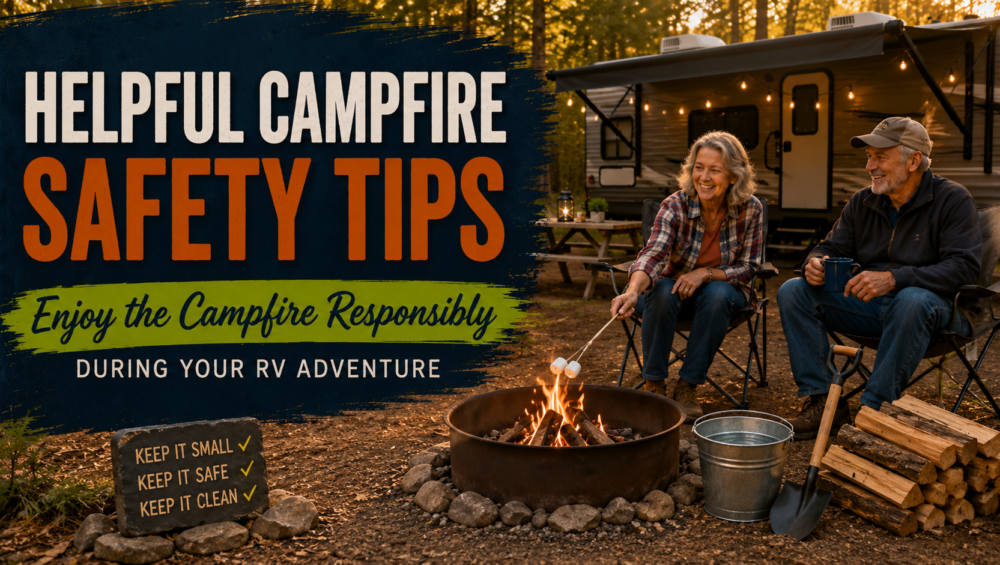
Helpful Campfire Safety Tips: Enjoy the Campfire Responsibly During Your RV Adventure

Few camping traditions are as enjoyable as gathering around a campfire with family and friends. Whether you’re roasting marshmallows, preparing dinner, or simply relaxing beneath the stars, a campfire often becomes the centerpiece of an unforgettable camping experience.

Like many outdoor activities, however, campfires require planning, attention, and responsible use. Taking a few simple precautions may help make your camping experience more enjoyable while reducing the risk of accidents or damage.

At Quest RV Park, located just minutes from beautiful Nolin Lake and a short drive from Mammoth Cave National Park, many guests enjoy relaxing evenings around the campfire after spending the day boating, fishing, hiking, or exploring Central Kentucky.

Whether you’re staying for a daily, weekly, monthly, or annual visit, this guide highlights helpful campfire safety suggestions. Always follow campground rules, local regulations, weather advisories, and any posted fire restrictions.


Ready for a Relaxing Camping Getaway?

👉 BOOK YOUR STAY NOW AT QUEST RV PARK

Enjoy spacious full-hookup RV sites near Nolin Lake and Mammoth Cave National Park.

Daily • Weekly • Monthly • Annual RV Sites Available


Check for Fire Restrictions

Before building any campfire, verify that fires are permitted.

Fire restrictions may change because of:

  • Dry weather
  • High winds
  • Drought conditions
  • Local burn bans
  • Park regulations

Always follow current rules established by the campground or land management agency.


Use Designated Fire Rings

Whenever possible, build campfires only in approved fire rings or designated fire pits.

These areas are generally designed to help contain the fire and reduce the chance of sparks spreading beyond the campsite.

Avoid creating new fire pits unless specifically permitted.


Choose Appropriate Firewood

Only burn firewood that is allowed by campground rules.

Many campers choose seasoned hardwoods such as:

  • Oak
  • Hickory
  • Maple
  • Ash

Avoid burning:

  • Treated lumber
  • Painted wood
  • Construction materials
  • Plastic
  • Trash
  • Foam products

Burning inappropriate materials may create unpleasant smoke, harmful fumes, or excessive sparks.


Keep the Fire a Comfortable Size

A larger fire is not necessarily a better fire.

Many campers find that a smaller, controlled fire provides plenty of warmth for cooking and relaxing.

Keeping fires at a manageable size may also make them easier to supervise and extinguish.


Keep a Safe Area Around the Fire

Before lighting your campfire, remove combustible materials from the immediate area whenever appropriate.

This may include:

  • Dry leaves
  • Pine needles
  • Small sticks
  • Paper
  • Cardboard

Maintaining a tidy campsite may help reduce the chance of accidental fire spread.


Plan Your Next Kentucky Camping Trip

👉 RESERVE YOUR RV SITE AT QUEST RV PARK TODAY

After a day exploring Nolin Lake or Mammoth Cave National Park, relax around the campfire at one of our spacious full-hookup RV sites.

Daily • Weekly • Monthly • Annual Sites Available


Keep Water Nearby

Before lighting a fire, have a way to extinguish it if needed.

Many campers keep:

  • Bucket of water
  • Garden hose (when available)
  • Shovel
  • Sand if appropriate

Having extinguishing materials readily available can help you respond quickly if conditions change.


Never Leave a Campfire Unattended

One of the most widely recommended campfire practices is to supervise the fire at all times.

If everyone leaves the campsite—even briefly—it’s generally a good idea to fully extinguish the fire before leaving.

Campfires can change quickly if wind conditions increase.


Dress Carefully Around the Fire

Loose clothing may increase the chance of accidental contact with flames.

Consider:

  • Avoiding loose sleeves
  • Securing long hair
  • Wearing closed-toe shoes around the fire
  • Supervising children closely

Simple precautions can help everyone enjoy the evening more comfortably.


Campfire Cooking Safety

Many campers enjoy preparing meals over an open fire.

Helpful reminders include:

  • Use long-handled cooking utensils.
  • Wear heat-resistant gloves when appropriate.
  • Cook over hot coals instead of large flames whenever practical.
  • Keep hot cookware on stable surfaces.
  • Allow cookware to cool before handling or storing.

Always follow the manufacturer’s instructions for cooking equipment.


In Part 2, we’ll cover children around campfires, pets, weather conditions, extinguishing your fire properly, firewood storage, Leave No Trace principles, common mistakes to avoid, and why Quest RV Park is the perfect destination to enjoy relaxing campfire evenings near Nolin Lake and Mammoth Cave National Park.

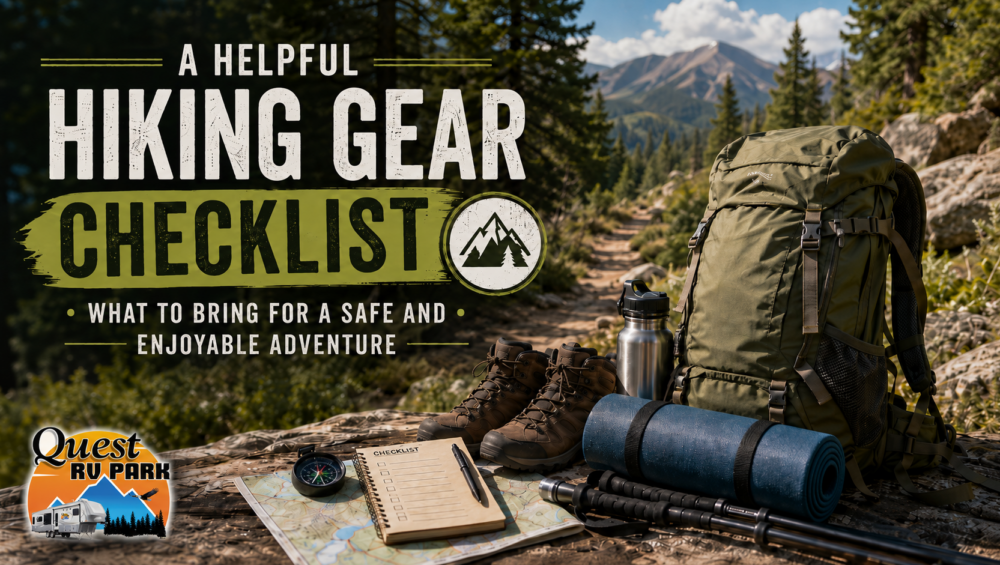
A Helpful Hiking Gear Checklist: What to Bring for a Safe and Enjoyable Adventure

Hiking is one of the best ways to experience the natural beauty of Kentucky. Whether you’re exploring the scenic trails around Nolin Lake, hiking through the forests of Mammoth Cave National Park, or discovering other outdoor destinations throughout Central Kentucky, being prepared can make your adventure more comfortable and enjoyable.

The amount of gear you’ll need depends on several factors, including the length of your hike, weather conditions, trail difficulty, and personal preferences. Some hikes require only a few basic items, while others may call for additional equipment.

At Quest RV Park, located just minutes from Nolin Lake and a short drive from Mammoth Cave National Park, many of our guests enjoy spending their days hiking before returning to relax at their campsite. Whether you’re staying for a daily, weekly, monthly, or annual visit, packing thoughtfully can help you enjoy your outdoor adventure.

This guide highlights many of the hiking essentials you may want to consider before heading out. Always review current trail conditions, weather forecasts, and any guidance provided by the land manager before beginning your hike.


Ready for Your Kentucky Adventure?

👉 BOOK YOUR STAY NOW AT QUEST RV PARK

Enjoy spacious full-hookup RV sites near beautiful Nolin Lake and Mammoth Cave National Park.

Daily • Weekly • Monthly • Annual RV Sites Available


Choose the Right Backpack

One of the first decisions is selecting a comfortable backpack.

For many day hikes, a small daypack provides plenty of room for essential gear without becoming too heavy.

Look for features such as:

  • Padded shoulder straps
  • Adjustable chest strap
  • Waist belt
  • Water bottle pockets
  • Multiple storage compartments
  • Lightweight construction

A properly fitted backpack can make longer hikes much more comfortable.


Wear Comfortable Footwear

Your shoes or boots are among the most important pieces of hiking gear.

Depending on the trail and conditions, many hikers choose:

  • Hiking shoes
  • Trail running shoes
  • Hiking boots
  • Waterproof footwear when appropriate

Look for footwear that provides:

  • Good traction
  • Comfortable support
  • Proper fit
  • Breathable materials

Breaking in new footwear before a long hike may help improve comfort.


Dress in Layers

Weather can change throughout the day, especially during spring and fall.

Layering allows you to adjust your clothing as conditions change.

Helpful clothing items may include:

  • Moisture-wicking shirt
  • Lightweight jacket
  • Rain jacket
  • Fleece or light sweatshirt
  • Hiking pants or shorts
  • Extra socks
  • Hat
  • Sunglasses

Avoid cotton clothing on longer hikes when possible, as it can remain wet longer than many synthetic or wool materials.


Stay Hydrated

Water is one of the most important things to bring on any hike.

Depending on the length of your hike and weather conditions, consider bringing:

  • Refillable water bottles
  • Hydration reservoir
  • Electrolyte drinks

Many hikers begin drinking water before starting the trail and continue drinking regularly throughout their hike.


Pack Healthy Snacks

Even shorter hikes can increase your energy needs.

Popular trail snacks include:

  • Trail mix
  • Granola bars
  • Fresh fruit
  • Beef jerky
  • Peanut butter crackers
  • Nuts
  • Dried fruit

For longer hikes, consider bringing a light lunch.


🌲 Explore Kentucky’s Great Outdoors

👉 RESERVE YOUR RV SITE AT QUEST RV PARK TODAY

After a day exploring the trails around Nolin Lake or Mammoth Cave National Park, return to a spacious full-hookup RV site and enjoy a relaxing evening with family and friends.

Daily • Weekly • Monthly • Annual Sites Available


Navigation Tools

Even on well-marked trails, it’s helpful to know where you’re going.

Depending on your hike, consider carrying:

  • Trail map
  • Compass
  • GPS device
  • Fully charged smartphone
  • Portable battery pack

Before beginning your hike, familiarize yourself with the trail route and estimated hiking time.


Sun Protection

Spending several hours outdoors increases exposure to the sun.

Helpful items may include:

  • Sunscreen
  • Lip balm with SPF
  • Wide-brim hat
  • Sunglasses

Reapply sunscreen as directed, especially during longer hikes.


Basic First Aid Supplies

Many hikers carry a small first aid kit.

Depending on your hike, it may include:

  • Adhesive bandages
  • Blister treatment
  • Antiseptic wipes
  • Gauze
  • Medical tape
  • Personal medications
  • Tweezers

Knowing how to use your first aid supplies is just as important as carrying them.


In Part 2, we’ll cover trekking poles, emergency gear, insect protection, wildlife awareness, hiking with children, hiking with pets, seasonal hiking tips, Leave No Trace principles, and why Quest RV Park is the perfect place to stay while exploring the hiking trails around Nolin Lake and Mammoth Cave National Park.

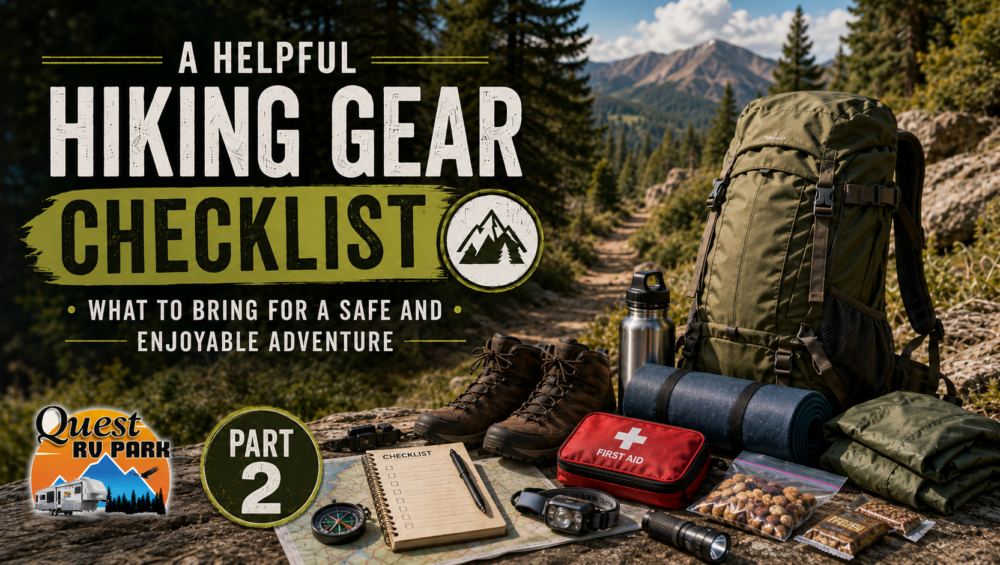
A Helpful Hiking Gear Checklist: What to Bring for a Safe and Enjoyable Adventure (Part 2)

Trekking Poles

Many hikers choose to carry trekking poles, especially on longer hikes or trails with hills and uneven terrain.

Depending on the trail and your personal preference, trekking poles may help with:

  • Balance
  • Stability
  • Reducing fatigue
  • Descending steep hills
  • Crossing small streams
  • Walking on uneven surfaces

Adjust the poles according to the manufacturer’s recommendations and your comfort level.


Flashlight or Headlamp

Even if you’re planning a daytime hike, it’s a good idea to carry a reliable light source.

A flashlight or headlamp may be helpful if:

  • Your hike takes longer than expected
  • You encounter unexpected delays
  • Cloud cover reduces visibility
  • You begin hiking early in the morning

Many hikers prefer headlamps because they leave both hands free while walking.


Insect Protection

Depending on the season, insects can be common on Kentucky trails.

Helpful items may include:

  • Insect repellent
  • Tick removal tool
  • Long pants
  • Long-sleeved shirt
  • Light-colored clothing to make ticks easier to spot

After your hike, check yourself, children, and pets for ticks, especially after hiking through grassy or wooded areas.


Wildlife Awareness

One of the best parts of hiking is seeing wildlife in its natural habitat.

Depending on the season and location around Nolin Lake and Mammoth Cave National Park, hikers may see:

  • White-tailed deer
  • Wild turkeys
  • Songbirds
  • Hawks
  • Turtles
  • Squirrels
  • Rabbits
  • Foxes
  • Wildflowers and native plants

Enjoy wildlife from a safe distance and avoid feeding wild animals.

Always follow the rules and guidance provided by the park or land management agency.


Hiking with Children

Many families enjoy introducing children to hiking.

To help make the experience enjoyable:

  • Choose age-appropriate trails.
  • Bring extra snacks and water.
  • Take frequent breaks.
  • Keep a comfortable pace.
  • Encourage children to observe nature.
  • Stay together on the trail.

Short, enjoyable hikes often build confidence and create lifelong memories.


Hiking with Your Dog

If pets are permitted where you’re hiking, planning ahead can make the outing more enjoyable.

Helpful items may include:

  • Leash
  • Water bowl
  • Extra water
  • Waste bags
  • Dog treats
  • Towel for muddy paws

Always review the specific pet rules for the trail or park before bringing your dog.


Seasonal Hiking Tips

Kentucky offers beautiful hiking opportunities throughout the year.

Spring

  • Wildflowers bloom.
  • Trails may be muddy.
  • Rain gear is often helpful.

Summer

  • Start hikes early when temperatures are cooler.
  • Carry additional water.
  • Wear lightweight clothing.

Fall

Many visitors consider autumn one of the best times to hike because of colorful leaves and comfortable temperatures.

Winter

Some trails remain open during winter.

Dress in layers, monitor weather conditions, and be prepared for changing temperatures.


Practice Leave No Trace Principles

One of the best ways to help preserve Kentucky’s beautiful outdoor spaces is to practice responsible recreation.

Helpful principles include:

  • Pack out all trash.
  • Stay on designated trails.
  • Respect wildlife.
  • Leave natural objects where you find them.
  • Be considerate of other visitors.
  • Follow posted signs and regulations.

These simple practices help protect trails for future generations.


Helpful Hiking Extras

Depending on your hike, you may also wish to bring:

  • Camera
  • Binoculars
  • Notebook
  • Pencil
  • Lightweight rain cover for your backpack
  • Cooling towel
  • Pocket knife or multi-tool (where permitted)
  • Emergency whistle
  • Small trash bag

Not every hike requires every item, but it’s helpful to consider what best fits your trip.


Plan Before You Go

A little planning can make a big difference.

Before heading to the trail, consider:

  • Checking the weather forecast
  • Reviewing trail maps
  • Letting someone know your plans
  • Charging your phone
  • Confirming trail hours
  • Reviewing current trail conditions

Preparation helps make outdoor adventures more enjoyable.


Why Stay at Quest RV Park?

After spending the day hiking the scenic trails around Nolin Lake or exploring the remarkable landscapes of Mammoth Cave National Park, there’s nothing better than returning to a comfortable campground where you can relax and recharge.

Quest RV Park offers an ideal location for outdoor enthusiasts looking to experience the best of Central Kentucky.

Guests enjoy:

  • Spacious full-hookup RV sites
  • 30- and 50-amp electric service
  • Full sewer hookups
  • High-speed Starlink Wi-Fi
  • Heated water hydrants
  • Nine-hole mini golf
  • Giant outdoor games
  • Hiking trails nearby
  • Quiet, family-friendly atmosphere
  • Convenient access to Nolin Lake and Mammoth Cave National Park

Whether you’re visiting for a weekend hiking adventure or planning a longer vacation, Quest RV Park offers daily, weekly, monthly, and annual RV sites to fit your travel plans.


Book Your Kentucky Hiking Adventure Today!

👉 BOOK YOUR STAY NOW AT QUEST RV PARK

Daily • Weekly • Monthly • Annual RV Sites Available

Spend your days hiking beautiful trails around Nolin Lake, exploring the world-famous Mammoth Cave National Park, and relaxing each evening at one of Central Kentucky’s favorite full-hookup RV campgrounds.

We look forward to welcoming you and helping make your next outdoor adventure a memorable one.


Frequently Asked Questions

Do I need hiking boots for every trail?
Not necessarily. The best footwear depends on the trail, weather conditions, and your personal preferences. Many shorter, well-maintained trails can be enjoyed in quality hiking shoes or trail running shoes.

How much water should I bring?
The amount varies based on the length of your hike, weather, and personal needs. Review current conditions and plan accordingly.

Are the hiking trails near Mammoth Cave and Nolin Lake suitable for beginners?
The area offers a variety of trails ranging from easy walks to more challenging hikes. Review trail descriptions and choose one that matches your experience and fitness level.

Is Quest RV Park open year-round?
Yes. Quest RV Park offers daily, weekly, monthly, and annual RV sites, making it a convenient home base for hikers and outdoor enthusiasts visiting Nolin Lake, Mammoth Cave National Park, and the surrounding Central Kentucky region.

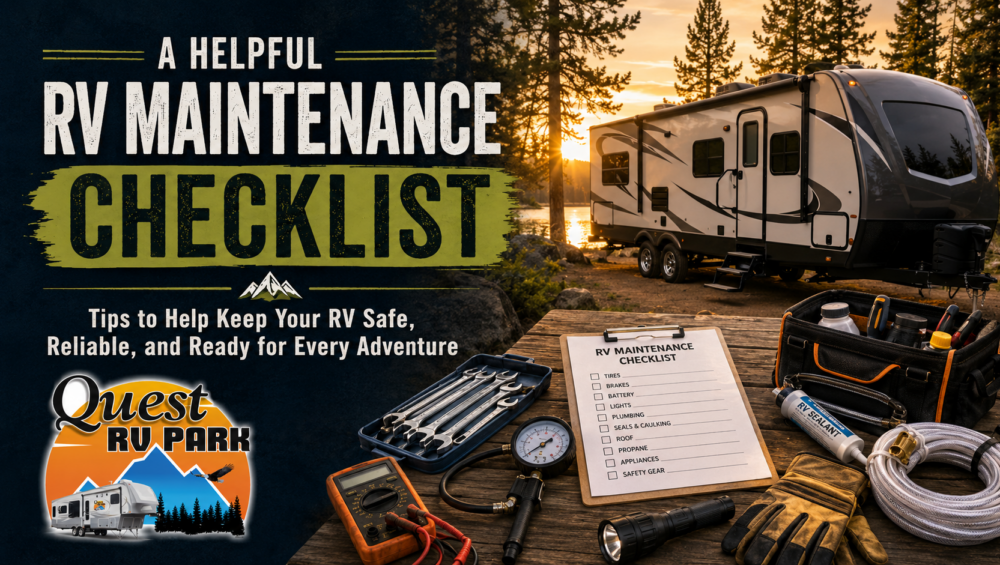
A Helpful RV Maintenance Checklist: Tips to Help Keep Your RV Safe, Reliable, and Ready for Every Adventure

Owning an RV is one of the best ways to explore the country while enjoying many of the comforts of home. Whether you own a travel trailer, fifth wheel, Class A motorhome, Class B camper van, or Class C motorhome, taking care of your RV can help improve safety, reliability, and long-term value.

Regular maintenance may also help reduce the chance of unexpected repairs and allow you to spend more time enjoying your travels instead of dealing with mechanical issues.

At Quest RV Park, located just minutes from beautiful Nolin Lake and only a short drive from Mammoth Cave National Park, we welcome RV travelers throughout the year. Whether you’re planning a daily, weekly, monthly, or annual stay, keeping your RV well maintained can help make every camping trip more enjoyable.

This guide highlights many of the maintenance items RV owners may want to inspect throughout the year. Because every RV is different, always refer to your RV manufacturer’s owner’s manual and the manuals for individual components for the recommended maintenance schedules, inspection procedures, and service requirements.


Ready for Your Next Adventure?

👉 BOOK YOUR STAY NOW AT QUEST RV PARK

Enjoy spacious full-hookup RV sites near beautiful Nolin Lake and Mammoth Cave National Park.

Daily • Weekly • Monthly • Annual RV Sites Available


Inspect Your RV Roof

One of the most important maintenance areas on any RV is the roof.

Even a small crack or deteriorated seal can allow water to enter your RV, potentially leading to expensive repairs over time.

Depending on your RV and roof material, you may wish to inspect:

  • Roof sealant
  • Roof vents
  • Skylights
  • Air conditioner seals
  • Satellite or antenna mounts
  • Roof ladders
  • Tree branch damage
  • General roof cleanliness

If you notice damaged sealant or possible leaks, consult your manufacturer’s recommendations for approved repair materials and procedures.


Check Your Tires

Your tires are one of the most important safety components on your RV.

Before each trip, consider checking:

  • Tire pressure
  • Tire tread depth
  • Sidewall condition
  • Valve stems
  • Lug nut torque (when recommended)
  • Tire age

Even tires with excellent tread may need replacement as they age. Always follow the tire manufacturer’s recommendations regarding inflation pressures and replacement intervals.

Proper tire maintenance may improve handling, tire life, and fuel economy.


Wheel Bearings

If you own a travel trailer or fifth wheel, wheel bearings require periodic inspection and servicing.

The recommended maintenance interval varies by axle manufacturer, mileage, and operating conditions.

Properly serviced wheel bearings can help reduce the risk of overheating and premature bearing failure.

Always follow the axle manufacturer’s maintenance recommendations.


Inspect Your Braking System

Your braking system deserves regular attention.

Depending on your RV, you may wish to inspect:

  • Trailer brakes
  • Brake controller operation
  • Brake wiring
  • Emergency breakaway switch
  • Brake fluid (motorhomes)
  • Brake pad or shoe wear

If you notice unusual noises, reduced braking performance, or warning lights, have the system inspected before your next trip.


Battery Maintenance

Most RVs rely on one or more batteries to power important electrical systems.

Helpful maintenance items include:

  • Cleaning battery terminals
  • Inspecting battery cables
  • Checking battery voltage
  • Charging batteries properly
  • Inspecting battery hold-downs

Flooded lead-acid batteries may also require checking electrolyte levels according to the battery manufacturer’s instructions.

Proper battery care can help improve reliability during your travels.


Planning a Kentucky RV Getaway?

👉 BOOK YOUR RV SITE AT QUEST RV PARK TODAY

Located near beautiful Nolin Lake and just a short drive from Mammoth Cave National Park, Quest RV Park offers spacious full-hookup RV sites for every type of RV traveler.

Daily • Weekly • Monthly • Annual Sites Available


Fresh Water System

Your RV’s fresh water system should be inspected and maintained regularly.

Helpful items to check include:

  • Fresh water hose
  • Water pressure regulator
  • Water filter
  • Water pump
  • Faucets
  • Water connections
  • Fresh water tank

Many RV owners also sanitize their fresh water system periodically using procedures recommended by the RV manufacturer.


Sewer System Maintenance

Routine sewer system maintenance can help improve performance and reduce unpleasant odors.

Items to inspect may include:

  • Sewer hose
  • Hose fittings
  • Dump valves
  • Black tank
  • Gray tank
  • Tank sensors

Many RV owners use approved holding tank treatments according to the manufacturer’s directions.


Propane System

Many RV appliances depend on propane for proper operation.

Helpful inspection items include:

  • LP tanks
  • Hoses
  • Regulator
  • Connections
  • Tank mounting
  • Appliance operation

If you smell propane or suspect a leak, immediately turn off the propane supply, leave the area if necessary, and have the system inspected by a qualified technician before using it again.


Test Your RV Appliances

Before beginning a camping season or taking a long trip, it’s a good idea to verify that major appliances are operating properly.

These may include:

  • Air conditioner
  • Furnace
  • Refrigerator
  • Water heater
  • Microwave
  • Stove
  • Oven
  • Exhaust fans
  • Ceiling fans

Testing appliances before leaving home may help identify issues while replacement parts or service are more readily available.


Exterior Walk-Around Inspection

Before every trip, take a few minutes to walk completely around your RV.

Look for anything that appears unusual or out of place.

Items to inspect may include:

  • Windows
  • Entry door
  • Storage compartments
  • Exterior lighting
  • Hitch components
  • Safety chains
  • Electrical connections
  • Mirrors
  • Rear-view camera
  • Awning

A simple walk-around inspection may help identify loose items or maintenance concerns before you head down the road.


In Part 2, we’ll cover slide-outs, seals, generators, motorhome engine maintenance, winterization, de-winterization, interior maintenance, emergency supplies, seasonal maintenance schedules, and additional helpful tips for keeping your RV ready for your next adventure. We’ll also explain why Quest RV Park is an excellent destination for your next camping trip near Nolin Lake and Mammoth Cave National Park.

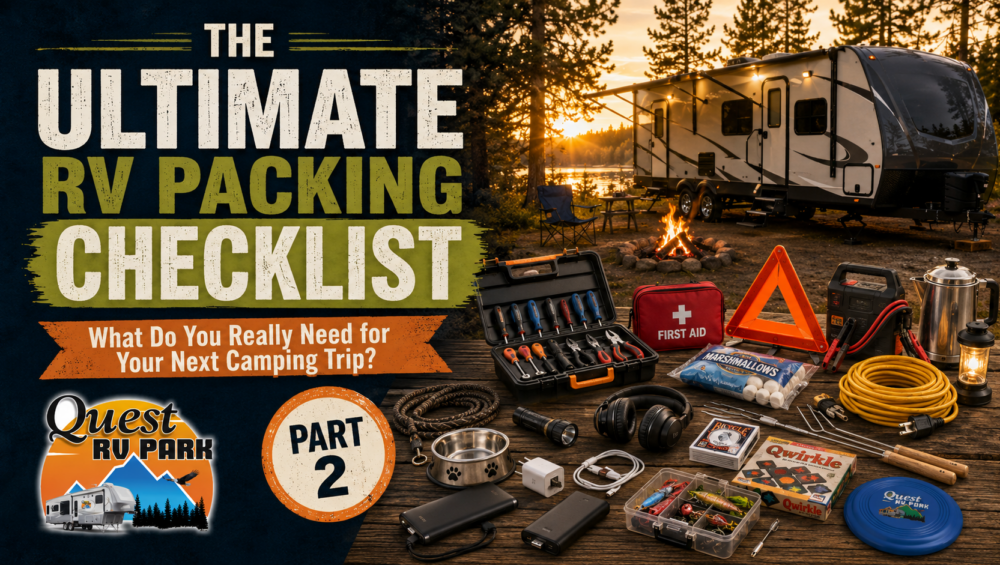
The Ultimate RV Packing Checklist: What Do You Really Need for Your Next Camping Trip? (Part 2)

RV Tool Kit Essentials

Even the newest RV can require small adjustments or quick repairs during a trip. Having a basic tool kit can save time, money, and frustration.

Your RV tool kit should include:

  • Screwdriver set
  • Adjustable wrench
  • Socket set
  • Pliers
  • Hammer
  • Utility knife
  • Electrical tape
  • Duct tape
  • Zip ties
  • Tire pressure gauge
  • Air compressor
  • Flashlight
  • Work gloves
  • Spare fuses
  • Extra light bulbs

You don’t need to be a mechanic, but having these basic tools can solve many common RV problems.


Emergency Supplies

Safety should always come first.

Every RV should carry emergency equipment including:

  • First aid kit
  • Fire extinguisher
  • Emergency triangles
  • Jumper cables
  • Portable battery jump starter
  • Drinking water
  • Emergency blankets
  • Weather radio
  • Phone charging cables
  • Multi-tool
  • Spare batteries

It’s always better to have emergency supplies and never need them than to need them and not have them.


Electronics to Bring

Today’s RV camping combines outdoor adventure with modern convenience.

Helpful electronics include:

  • Cell phone chargers
  • Portable power bank
  • Extension cords
  • Laptop or tablet
  • Bluetooth speaker
  • Camera
  • Drone (where permitted)
  • GPS
  • Smart watch charger
  • Headphones

Many guests at Quest RV Park enjoy our high-speed Starlink Wi-Fi, making it easy to stay connected, work remotely, stream entertainment, or share vacation photos with family and friends.


Entertainment for the Whole Family

Some of the best camping memories happen right at your campsite.

Consider packing:

  • Playing cards
  • Board games
  • Cornhole boards
  • Football
  • Frisbee
  • Fishing poles
  • Bicycles
  • Binoculars
  • Books
  • Coloring books for children
  • Puzzles

Quest RV Park also offers nine-hole mini golf, giant outdoor games, hiking trails, and plenty of open space for families to relax and enjoy time together.


Pet Packing Checklist

Many RV travelers bring their four-legged family members along for the adventure.

Don’t forget:

  • Pet food
  • Water bowls
  • Food bowls
  • Leash
  • Waste bags
  • Favorite toys
  • Pet bed
  • Vaccination records
  • Grooming brush
  • Extra towels

A comfortable pet makes for a much more enjoyable camping trip for everyone.


Campfire Essentials

Few things are more relaxing than ending the day around a campfire.

Pack:

  • Fire starters
  • Long matches or lighter
  • Roasting sticks
  • Dutch oven
  • Cast iron skillet
  • Grill grate
  • Aluminum foil
  • Marshmallows
  • Graham crackers
  • Chocolate
  • Campfire coffee pot

Whether you’ve spent the day boating on Nolin Lake or exploring Mammoth Cave National Park, a campfire is the perfect way to unwind with family and friends.


Before You Leave Home

Before pulling out of your driveway, take a few minutes to complete a final safety check.

✔ Check tire pressure on both your RV and tow vehicle.

✔ Test all exterior lights.

✔ Secure all cabinet doors.

✔ Lock refrigerator and shower doors.

✔ Turn off propane if required for travel.

✔ Retract stabilizer jacks.

✔ Disconnect utilities.

✔ Check mirrors.

✔ Verify hitch connections.

✔ Test trailer brakes.

✔ Confirm awning is fully retracted.

✔ Make sure roof vents are secured.

These simple steps can prevent expensive repairs and make your trip much safer.


Why a Packing Checklist Matters

Even experienced RV owners occasionally forget something.

Using the same checklist before every trip helps ensure you don’t leave behind an important item.

Over time, you can customize your checklist based on your family’s camping style, favorite activities, and the season of the year.

Many seasoned RV travelers keep a printed packing checklist inside their RV so it’s always ready for the next adventure.


Why Campers Choose Quest RV Park

Once your RV is packed and you’re ready to hit the road, you’ll want a campground that’s comfortable, convenient, and close to some of Kentucky’s top attractions.

That’s exactly what you’ll find at Quest RV Park.

Located near beautiful Nolin Lake and just a short drive from Mammoth Cave National Park, Quest RV Park is an ideal destination for weekend getaways, family vacations, fishing trips, retirement travel, and long-term stays.

Guests enjoy:

  • Spacious full-hookup RV sites
  • 30- and 50-amp electric service
  • Full sewer hookups
  • High-speed Starlink Wi-Fi
  • Heated water hydrants
  • Nine-hole mini golf
  • Giant outdoor games
  • Hiking trails
  • Quiet, family-friendly atmosphere
  • Easy access for travel trailers, fifth wheels, Class A, Class B, and Class C motorhomes

Whether you’re staying for a few nights or an entire season, you’ll appreciate the peaceful surroundings and convenient location.

Quest RV Park proudly offers daily, weekly, monthly, and annual RV sites, making it easy to choose the stay that best fits your travel plans.


Book Your Next RV Adventure Today!

👉 BOOK YOUR STAY NOW AT QUEST RV PARK

Daily • Weekly • Monthly • Annual RV Sites Available

Experience the beauty of Nolin Lake, explore the incredible underground wonders of Mammoth Cave National Park, and relax in one of Central Kentucky’s most welcoming family-friendly campgrounds.

No matter what kind of RV you own—or how much you pack—Quest RV Park is the perfect place to begin your next adventure.

We look forward to seeing you soon!


Frequently Asked Questions

What is the most commonly forgotten RV item?
Fresh water hoses, power adapters, sewer hose fittings, leveling blocks, and phone chargers are among the items RV campers most often forget.

Should I pack extra food?
Yes. Keeping a few extra pantry items and bottled water on hand is always a good idea, especially if you’re traveling through rural areas.

Can I buy forgotten supplies near Quest RV Park?
Yes. There are grocery stores, convenience stores, hardware stores, and outdoor supply retailers within a reasonable driving distance if you need additional camping supplies.

Is Quest RV Park open year-round?
Yes. Quest RV Park offers daily, weekly, monthly, and annual RV sites, making it an excellent choice for vacationers, retirees, snowbirds, and long-term RV travelers throughout the year.

Class A vs. Class B vs. Class C Motorhomes: Which RV Is Right for You? (Part 2)

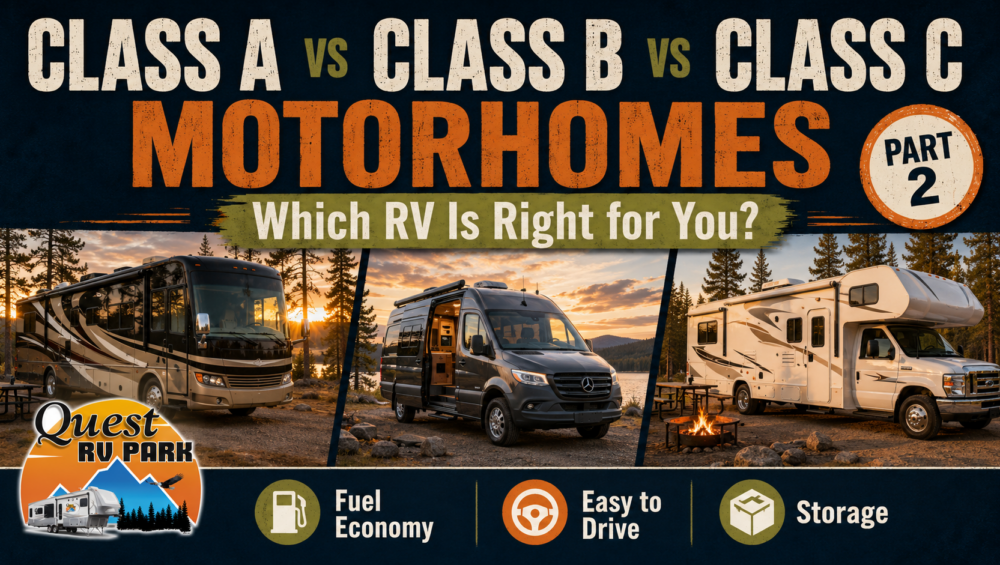
Fuel Economy Comparison

Fuel economy is an important consideration when purchasing any motorhome. While no motorhome gets the same mileage as a passenger car, there are significant differences between the three classes.

Class A Motorhomes

Because they are the largest and heaviest motorhomes, Class A coaches generally average between 6–10 miles per gallon, depending on the engine, terrain, towing weight, and driving speed.

Class B Motorhomes

Class B camper vans are the fuel economy champions of the RV world. Many average 15–20 miles per gallon, making them an excellent choice for travelers who enjoy long road trips or frequent weekend adventures.

Class C Motorhomes

Class C motorhomes typically average 8–14 miles per gallon, offering a nice balance between living space and fuel efficiency.

While fuel costs matter, many experienced RV owners say comfort, floor plan, and travel style are even more important when choosing the right motorhome.


Which Motorhome Is Easiest to Drive?

One of the biggest differences between motorhome classes is how they handle on the road.

Class B

Class B camper vans are by far the easiest to drive.

They fit into many standard parking spaces, handle much like a full-size van, and are ideal for sightseeing, grocery shopping, and exploring smaller towns.

Class C

Class C motorhomes offer excellent visibility and are generally easier to drive than many people expect. Built on familiar truck chassis, they provide a comfortable driving experience while still offering plenty of living space.

Class A

Although modern Class A coaches are surprisingly smooth and comfortable, they require more experience because of their size. Drivers need to be aware of overhead clearances, turning radius, and larger blind spots.


Storage Space

Storage becomes increasingly important the longer you travel.

Class A

Class A coaches offer the largest basement storage compartments in the RV industry. They easily accommodate bicycles, grills, fishing equipment, lawn chairs, outdoor rugs, folding tables, and other camping gear.

Class C

Class C motorhomes provide generous exterior storage while maintaining a manageable size.

Class B

Because of their compact design, Class B motorhomes have limited storage. Smart organization and efficient packing become essential.


Which Motorhome Is Best for Full-Time RV Living?

Many retirees and remote workers choose to live in their RV full-time.

Best Choice: Class A

If comfort is your top priority, Class A motorhomes are difficult to beat.

Many include:

  • Residential refrigerators
  • Large kitchens
  • Washer and dryer
  • King-size beds
  • Spacious bathrooms
  • Large closets
  • Multiple televisions
  • Fireplace options

For couples spending months on the road, these features create a true home-away-from-home experience.

Runner-Up: Class C

Class C motorhomes are also excellent for extended travel, especially for couples or families who want more flexibility at a lower purchase price.


Maintenance Costs

Every RV requires regular maintenance.

Typical annual maintenance includes:

  • Roof inspections
  • Sealant maintenance
  • Oil changes
  • Generator service
  • Tire inspections
  • Brake service
  • Battery maintenance
  • Water system winterization
  • Appliance inspections

Generally speaking:

  • Class B motorhomes have the lowest maintenance costs.
  • Class C motorhomes fall in the middle.
  • Class A coaches usually cost the most because of their larger size, additional systems, and premium components.

Regular maintenance protects your investment and helps prevent costly repairs.


Which Motorhome Is Best for Families?

Families have different needs than solo travelers or retired couples.

Class C Motorhomes

For many families, Class C motorhomes provide the ideal combination of sleeping capacity, affordability, and ease of driving.

Many include:

  • Over-cab bunk
  • Convertible dinette
  • Sofa sleeper
  • Private bedroom

Sleeping six to eight people is common.

Class A Motorhomes

Large Class A coaches also make outstanding family RVs, especially for extended vacations.

Class B Motorhomes

Class B camper vans work best for solo travelers or couples who enjoy traveling light.


Which Motorhome Is Best for Retirees?

Many retired couples enjoy traveling for weeks or months at a time.

Class A coaches often become the preferred choice because of:

  • Residential comfort
  • Large living rooms
  • Comfortable seating
  • Spacious kitchens
  • Plenty of storage

However, many retirees choose Class C motorhomes because they are easier to drive and less expensive while still offering excellent comfort.


Pros and Cons of Each Motorhome

Class A

Pros

  • Largest living space
  • Luxury interiors
  • Massive storage
  • Excellent for long-term travel
  • High towing capacity

Cons

  • Highest purchase price
  • Higher maintenance costs
  • Lower fuel economy
  • Larger and more difficult to maneuver

Class B

Pros

  • Best fuel economy
  • Easiest to drive
  • Fits in many parking spaces
  • Lower maintenance costs
  • Great for couples

Cons

  • Smallest living space
  • Limited storage
  • Smaller bathroom
  • Less sleeping capacity

Class C

Pros

  • Excellent balance of size and comfort
  • Family-friendly floor plans
  • Easier to drive than Class A
  • Good storage
  • More affordable than many luxury coaches

Cons

  • Slightly less storage than Class A
  • Fuel economy lower than Class B
  • Smaller living area than many Class A coaches

Which Motorhome Is Right for You?

Ask yourself a few simple questions before making your decision:

  • How many people will be traveling?
  • What is your budget?
  • How often will you camp?
  • Will you travel full-time or only on weekends?
  • Do you prefer luxury or simplicity?
  • How comfortable are you driving larger vehicles?

There is no single “best” motorhome.

The best RV is the one that matches your travel style, budget, and camping goals.


Why Motorhome Owners Love Quest RV Park

No matter which class of motorhome you own, Quest RV Park is the perfect base camp for exploring some of Kentucky’s most popular attractions.

Located just minutes from beautiful Nolin Lake and a short drive from Mammoth Cave National Park, our campground offers everything today’s RV travelers are looking for.

Guests enjoy:

  • Spacious full-hookup RV sites
  • 30- and 50-amp electric service
  • Full sewer hookups
  • High-speed Starlink Wi-Fi
  • Heated water hydrants
  • Nine-hole mini golf
  • Giant outdoor games
  • Hiking trails
  • Quiet, family-friendly atmosphere
  • Easy access for large Class A coaches, Class B camper vans, and Class C motorhomes

Whether you’re planning a weekend getaway, an extended vacation, or looking for a comfortable place to stay all season, Quest RV Park has daily, weekly, monthly, and annual RV sites available.

Spend your days boating, fishing, kayaking, hiking, cave touring, wildlife watching, or simply relaxing around your campsite after exploring the incredible beauty of Central Kentucky.


Book Your Kentucky RV Adventure Today!

👉 BOOK YOUR STAY NOW AT QUEST RV PARK

Daily • Weekly • Monthly • Annual RV Sites Available

Whether you travel in a luxury Class A coach, a versatile Class C motorhome, or a compact Class B camper van, Quest RV Park provides the perfect combination of comfort, convenience, and location.

Come discover why so many RV travelers choose Quest RV Park as their home base for unforgettable adventures near Nolin Lake and Mammoth Cave National Park.

We look forward to welcoming you soon!


Frequently Asked Questions

Can Quest RV Park accommodate large Class A motorhomes?
Yes. Our spacious RV sites and wide roads are designed to accommodate large Class A motorhomes as well as Class B and Class C motorhomes.

Are full hookups available?
Absolutely. Every RV site includes full hookups with water, sewer, and 30- or 50-amp electric service.

Is Quest RV Park open year-round?
Yes. We offer daily, weekly, monthly, and annual RV sites, making us a great choice for vacationers, snowbirds, retirees, and long-term guests.

What attractions are nearby?
Quest RV Park is ideally located near Nolin Lake, known for boating, fishing, kayaking, and swimming, and just a short drive from Mammoth Cave National Park, where visitors can enjoy world-famous cave tours, hiking trails, scenic drives, canoeing, wildlife viewing, and family adventures.

Class A vs. Class B vs. Class C Motorhomes: Which RV Is Right for You?

Buying a motorhome is one of the biggest decisions an RV enthusiast will ever make. Unlike towable RVs, motorhomes combine your transportation and living space into one convenient vehicle, making travel simple and enjoyable.

But choosing between a Class A, Class B, or Class C motorhome isn’t always easy.

Each offers unique advantages depending on your budget, travel style, family size, and camping goals.

At Quest RV Park, located near beautiful Nolin Lake and just a short drive from Mammoth Cave National Park, we welcome motorhomes of every size. Whether you’re traveling in a luxury Class A coach, a compact camper van, or a versatile Class C motorhome, you’ll enjoy spacious full-hookup sites, modern amenities, and one of Kentucky’s best camping locations.

Whether you’re planning a daily, weekly, monthly, or annual stay, this guide will help you choose the motorhome that’s right for you.


Book Your Stay at Quest RV Park!

👉 BOOK YOUR RV SITE NOW

Experience spacious full-hookup RV sites near Nolin Lake and Mammoth Cave National Park. Daily, weekly, monthly, and annual sites are available for motorhomes of every size.


What Is a Class A Motorhome?

Class A motorhomes are the largest and most luxurious RVs on the road.

Built on heavy-duty commercial bus or truck chassis, these impressive coaches often resemble luxury buses and provide nearly every comfort found in a traditional home.

Most Class A motorhomes range from:

  • 30 feet
  • 34 feet
  • 38 feet
  • 40 feet
  • 45 feet

Inside you’ll often find:

  • Residential kitchens
  • King-size bedrooms
  • Full-size refrigerators
  • Washer and dryer
  • Tile flooring
  • Fireplaces
  • Multiple televisions
  • Large bathrooms
  • Spacious living rooms
  • Luxury furniture

Many retirees and full-time RV travelers choose Class A motorhomes because of their outstanding comfort and residential feel.


Advantages of Class A Motorhomes

Class A coaches offer unmatched luxury.

Some of their biggest advantages include:

  • Largest interior living space
  • Massive exterior storage compartments
  • Excellent for long-term travel
  • Comfortable for full-time RV living
  • High towing capacity
  • Large freshwater and holding tanks
  • Residential appliances
  • Premium entertainment systems

For travelers who spend months on the road, Class A motorhomes provide exceptional comfort.


Things to Consider Before Buying a Class A

Luxury comes with a price.

Class A motorhomes generally cost more than any other type of RV.

Other considerations include:

  • Higher fuel consumption
  • More expensive tires
  • Higher insurance costs
  • Larger maintenance expenses
  • More difficult to maneuver in cities
  • Higher purchase price

However, for many owners, the added comfort more than justifies the investment.


What Is a Class B Motorhome?

Class B motorhomes are commonly called camper vans.

They’re built on full-size cargo van chassis from manufacturers such as Mercedes-Benz, Ford, or Ram.

These are the smallest motorhomes available.

Most range between:

  • 18 feet
  • 20 feet
  • 22 feet
  • 24 feet

Although compact, modern Class B motorhomes are surprisingly well equipped.

Many include:

  • Small kitchen
  • Bathroom with shower
  • Refrigerator
  • Comfortable bed
  • Freshwater system
  • Heating and air conditioning
  • Solar power options
  • Swivel captain’s chairs

Today’s camper vans are ideal for travelers who want mobility and simplicity.


Advantages of Class B Motorhomes

Many RV owners love camper vans because they’re incredibly easy to drive.

Benefits include:

  • Fits in many standard parking spaces
  • Better fuel economy
  • Easier to drive in cities
  • Lower maintenance costs
  • Excellent for weekend trips
  • Great for solo travelers and couples
  • Easier to store at home

If you’re new to RVing and want something that drives almost like a regular vehicle, Class B motorhomes deserve serious consideration.


Ready to Explore Kentucky?

👉 RESERVE YOUR SITE AT QUEST RV PARK TODAY

Whether you’re traveling in a luxury Class A coach or a compact camper van, Quest RV Park offers spacious full-hookup RV sites near Nolin Lake and Mammoth Cave. Daily, weekly, monthly, and annual sites are available.


What Is a Class C Motorhome?

Class C motorhomes are easily recognized by the distinctive sleeping area that extends over the driver’s cab.

They combine many of the comforts of larger Class A coaches with easier handling and a lower purchase price.

Most Class C motorhomes range from:

  • 24 feet
  • 27 feet
  • 30 feet
  • 32 feet
  • 36 feet

Inside you’ll often find:

  • Fully equipped kitchens
  • Large refrigerators
  • Private bedrooms
  • Bathrooms with showers
  • Dinette seating
  • Sofa sleepers
  • Over-cab bunk beds
  • Multiple slide-outs

Because they offer excellent sleeping capacity and practical layouts, Class C motorhomes are one of the most popular choices for families.


Why Families Love Class C Motorhomes

Class C motorhomes strike an excellent balance between comfort, price, and drivability.

Popular features include:

  • Sleeping space for six to eight people
  • Easy-to-drive truck chassis
  • Plenty of storage
  • Excellent visibility while driving
  • Affordable compared to Class A coaches
  • Comfortable for longer vacations

Many first-time motorhome buyers find Class C models to be an ideal introduction to the RV lifestyle.


In Part 2, we’ll compare fuel economy, maintenance, towing capabilities, campground setup, costs, full-time living, resale value, and help you decide which class of motorhome best fits your camping style. We’ll also explain why Quest RV Park is an outstanding destination for every class of motorhome visiting the Nolin Lake and Mammoth Cave region.