RV Hookups Explained: Everything Every RVer Should Know About Electric, Water, and Sewer Connections
One of the biggest questions first-time RV owners ask is, “How do RV hookups work?” If you’ve never stayed at a full-service RV park before, the electrical pedestal, water spigot, and sewer connection can seem a little intimidating. The good news is that once you understand the basics, connecting your RV becomes a simple part of every camping trip.
Whether you’re planning your very first RV vacation or you’ve recently upgraded to a new travel trailer, fifth wheel, or motorhome, learning how to properly use your RV hookups will make your camping experience safer, more convenient, and much more enjoyable.
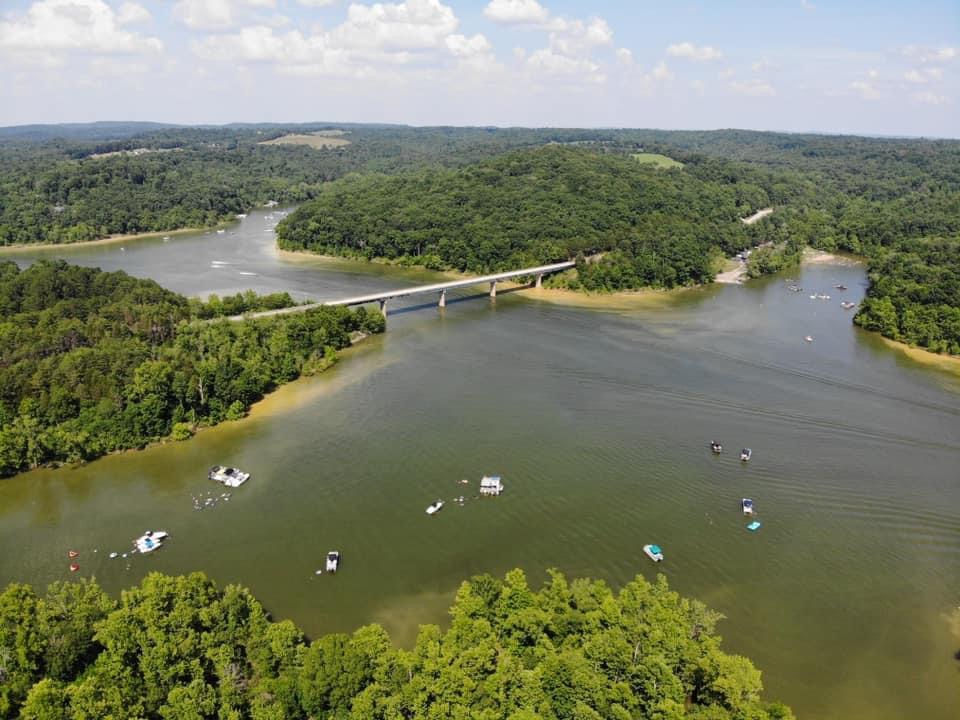
At Quest RV Park, located just one mile from beautiful Nolin Lake and only a short drive from Mammoth Cave National Park, every spacious campsite includes full hookups so you can enjoy all the comforts of home while experiencing the beauty of Central Kentucky.
👉 Book Your Full Hookup RV Site at Quest RV Park Today!
Whether you’re staying for a weekend, a week, a month, or all year long, our daily, weekly, monthly, and annual RV sites make it easy to relax without sacrificing comfort.
What Are Full RV Hookups?
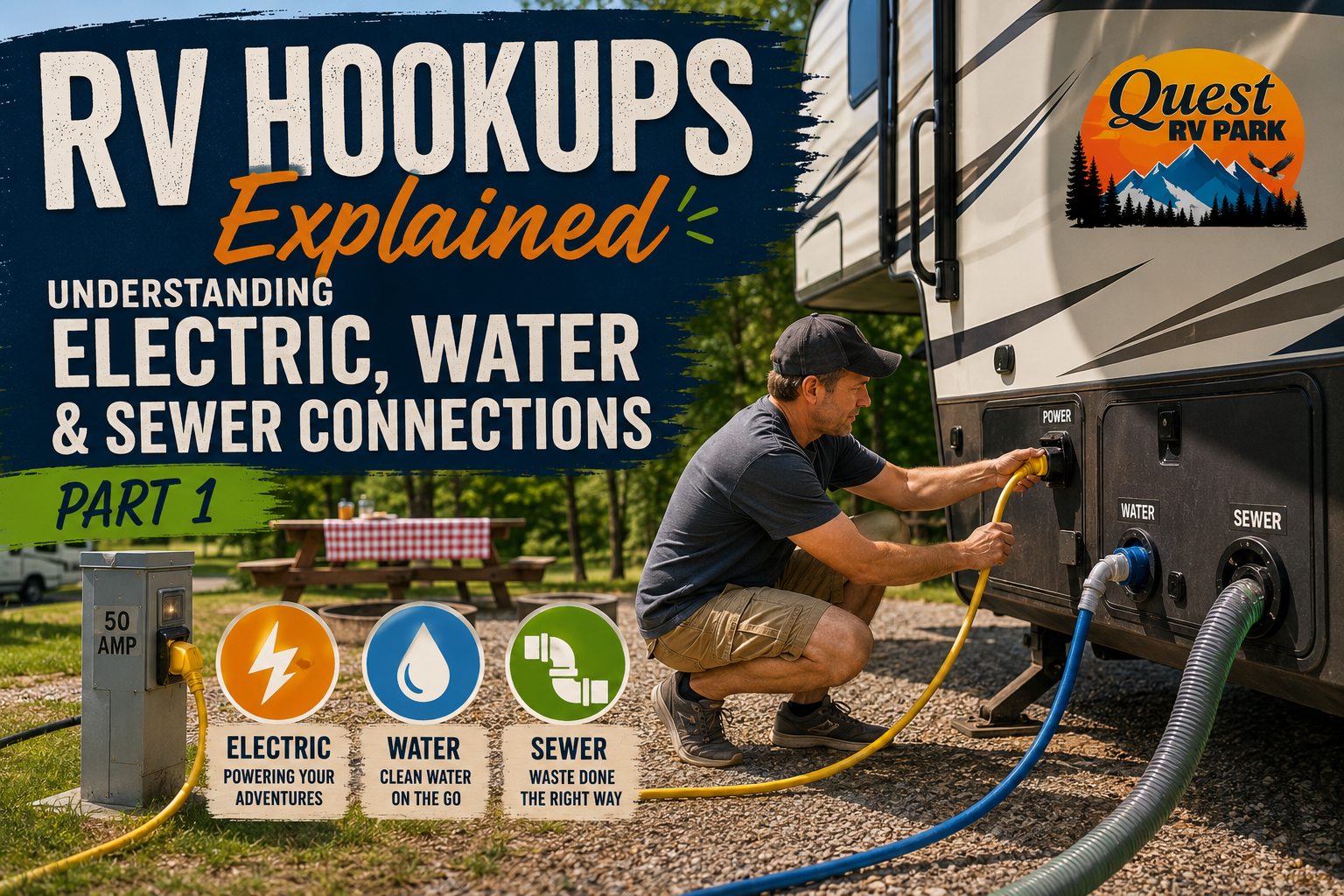
When you hear the phrase “full hookup RV park,” it simply means your campsite provides the three essential utilities that most RV travelers want:
- Electric service
- Fresh water
- Sewer connection
Instead of relying only on your RV’s batteries, freshwater tank, and holding tanks, full hookups allow you to connect directly to utilities at your campsite. This means less time worrying about maintenance and more time enjoying your vacation.
For families, retirees, remote workers, and long-term campers, full hookups provide the convenience of home while still allowing you to experience the freedom of RV living.
Understanding RV Electrical Service
Electricity powers nearly everything inside your RV. Without it, many of your everyday conveniences either won’t work or will rely only on limited battery power.
Your RV’s electrical system may operate on either 30-amp or 50-amp service, depending on the size and design of your RV.
30-Amp Service
Thirty-amp service is common on many:
- Travel trailers
- Smaller fifth wheels
- Pop-up campers
- Compact motorhomes
A 30-amp hookup supplies enough power for most everyday camping needs, including lighting, televisions, refrigerators operating on electric, microwave ovens, battery charging, and usually one air conditioner.
50-Amp Service
Larger RVs often require 50-amp electrical service.
This type of hookup is common on:
- Large fifth wheels
- Luxury travel trailers
- Class A motorhomes
- Toy haulers
Because 50-amp service provides substantially more available power, it allows multiple large appliances to operate at the same time. This is especially helpful during hot Kentucky summers when running more than one air conditioner, along with other appliances, may be necessary.
At Quest RV Park, we offer both 30-amp and 50-amp electric service, making it easy to accommodate everything from compact travel trailers to large luxury motorhomes.
Why Surge Protection Matters
Your RV contains thousands of dollars’ worth of electrical equipment, including air conditioners, refrigerators, converters, televisions, microwaves, and electronic control boards.
Many experienced RV owners use a quality RV surge protector or electrical management system before plugging into campground power. These devices can help detect wiring issues and provide protection from certain electrical problems.
While no device can prevent every possible issue, using one can add an extra layer of protection for your RV’s electrical system.
Fresh Water Hookups
One of the greatest conveniences of staying at a full hookup campground is having a continuous supply of fresh water.
Instead of relying only on your onboard freshwater tank, you simply connect a drinking-water-safe hose from your RV to the campground’s water connection.
Once connected, you’ll have water available for:
- Showers
- Bathroom sinks
- Kitchen sink
- Toilet
- Cooking
- Washing dishes
- Daily cleaning
This means you won’t need to refill your freshwater tank nearly as often, making camping much more comfortable—especially during extended stays.
Choosing the Right Water Hose
Not every garden hose is designed for drinking water.
Most RV owners use a hose specifically labeled for potable or drinking water. These hoses are designed for supplying safe water to your RV and are commonly used throughout the camping industry.
Many campers also add an inline water filter to help reduce sediment and improve taste. In areas where water pressure is high, a pressure regulator can help protect your RV’s plumbing system by reducing excessive pressure before it enters your RV.
Connecting Water the Right Way
Hooking up your water supply is generally straightforward.
A typical process includes:
- Inspect your hose for damage.
- Attach a pressure regulator if you use one.
- Connect an inline water filter if desired.
- Attach the hose securely to the campground water spigot.
- Connect the other end to your RV’s city water connection.
- Slowly turn on the water and check for leaks.
Taking a few extra moments to inspect your connections can help prevent unnecessary water loss and keep your campsite clean and dry.
Why Full Hookups Make Camping Easier
Many new RV owners begin by staying at campgrounds without full hookups, relying entirely on tanks and batteries. While that type of camping can be enjoyable, full hookups provide a level of convenience that many travelers appreciate, especially during longer stays.
With reliable electricity and continuous water, you can spend less time monitoring your RV systems and more time enjoying nearby attractions like Nolin Lake, Mammoth Cave National Park, hiking trails, boating, fishing, and relaxing around the campfire.
👉 Ready for a Stress-Free Camping Experience? Reserve Your Full Hookup RV Site at Quest RV Park Today!